How Demographic Shifts Influence Property Prices
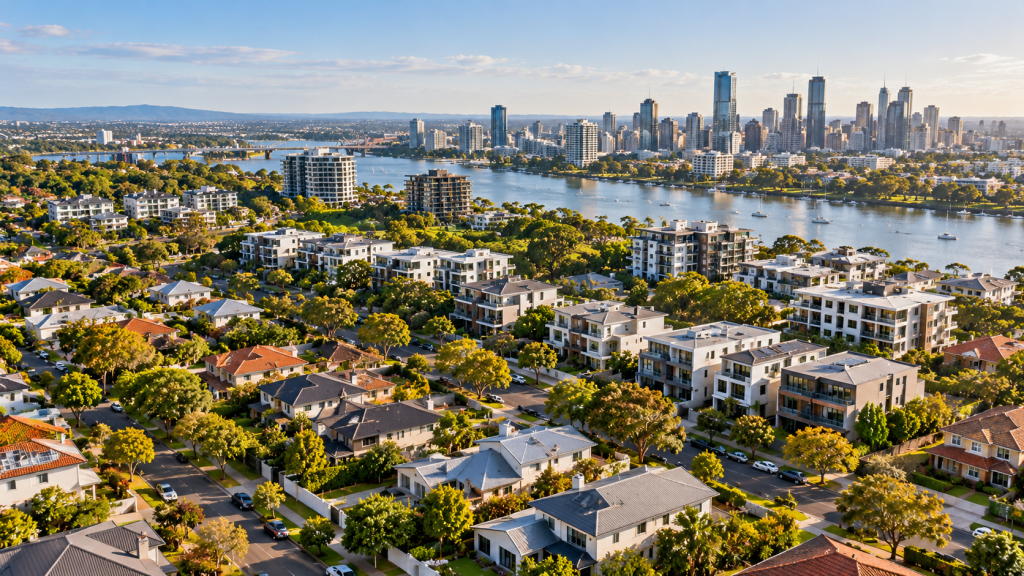
Property prices are influenced by more than interest rates, economic conditions and housing supply. One of the most important long-term factors shaping Australia’s property market is demographics.
Demographics refer to the characteristics of a population, including age, household size, income, migration patterns and lifestyle preferences.
As these characteristics change, so does the demand for different types of housing.
An area experiencing an influx of young professionals may see growing demand for apartments and townhouses, while a suburb attracting families may experience increased interest in larger homes with outdoor space.
For property investors, understanding these demographic shifts can provide valuable insights into where housing demand may be heading.
By recognising how populations are changing, investors can make more informed decisions about property locations, dwelling types and long-term investment opportunities.
In this article, we explore how demographic trends influence Australian property prices and what investors should consider when researching potential investment markets.
1. Population Growth and Its Impact on Property Prices
Population growth is one of the most significant drivers of housing demand.
As more people move into an area, demand for accommodation may increase, particularly when the construction of new housing cannot keep pace.
This can place upward pressure on property prices and rental costs.
Why Population Growth Matters
Growing populations can create additional demand for:
- Detached houses.
- Townhouses and duplexes.
- Apartments and units.
- Rental accommodation.
- Schools, shopping centres and healthcare facilities.
- Transport and community infrastructure.
However, population growth alone doesn’t guarantee property price increases.
The relationship between population and housing prices also depends on the number of available properties, local incomes, borrowing conditions and the pace of new construction.
Example: Population Growth and Housing Supply
Consider two hypothetical suburbs.
Suburb A experiences strong population growth, but new residential developments provide sufficient housing to meet demand.
Suburb B experiences similar population growth, but limited available land and slower construction restrict new housing supply.
All else being equal, Suburb B may experience greater pressure on housing prices because demand is increasing faster than supply.
The key for investors is understanding the balance between population growth and housing availability, rather than focusing on population figures alone.
2. Migration Patterns Are Reshaping Australian Housing Demand
Migration plays an important role in Australia’s population growth and housing market.
Both international and interstate migration can influence where people choose to live and the types of properties they require.
International Migration
New arrivals often seek accommodation in locations offering employment opportunities, education facilities, established communities and accessible public transport.
This can contribute to rental demand in particular metropolitan areas.
Over time, some households may transition from renting to homeownership, potentially influencing demand across different property types.
Interstate Migration
Australians also relocate between states for employment, lifestyle, affordability and family reasons.
These movements can influence housing demand in both capital cities and regional areas.
For example, a location offering relatively affordable housing and strong employment opportunities may attract households from more expensive markets.
What Investors Should Consider
When researching migration trends, investors should assess:
- Net interstate and overseas migration.
- Employment opportunities.
- Local rental vacancy rates.
- Housing affordability.
- New dwelling construction.
- Transport accessibility.
- Population growth forecasts.
Migration can support housing demand, but its impact varies significantly between locations.
3. Australia’s Ageing Population Is Changing Property Preferences
Australia’s ageing population is another demographic trend influencing housing demand.
As people move into retirement or later stages of life, their housing needs and lifestyle priorities may change.
Some older Australians choose to remain in their family homes, while others consider downsizing to smaller, more manageable properties.
Growing Demand for Low-Maintenance Housing
Properties that may appeal to downsizers include:
- Single-level homes.
- Low-maintenance townhouses.
- Smaller houses with manageable outdoor areas.
- Properties with accessible layouts.
- Homes close to healthcare and essential services.
Accessibility features, reduced maintenance requirements and proximity to amenities can become increasingly important.
What This Means for Investors
Areas with growing older populations may experience changing demand for particular dwelling types.
For example, a well-designed single-level townhouse near shops and medical facilities may appeal to buyers seeking to downsize.
However, not every older homeowner chooses to move, and many prefer to age in place.
Investors should examine local housing preferences rather than assuming all ageing communities will require the same property types.
4. Smaller Households Are Influencing Housing Demand
Australian household structures are changing.
While traditional family households remain important, demand for housing is also influenced by single-person households, couples without children and shared living arrangements.
These demographic patterns can affect the types and sizes of properties people seek.
Why Household Size Matters
A growing population doesn’t always translate into an equivalent increase in household numbers.
For example, if average household sizes decline, more dwellings may be required to accommodate the same number of people.
This can increase demand for housing even when population growth is relatively modest.
Property Types That May Benefit
Smaller households may consider:
- One-bedroom apartments.
- Two-bedroom units.
- Compact townhouses.
- Low-maintenance dwellings.
- Properties close to employment and public transport.
However, preferences also depend on income, lifestyle, location and affordability.
A smaller household may still prefer a larger property to accommodate working from home, visiting family or other personal needs.
For investors, understanding local household composition can help identify whether the available housing stock matches demand.
5. Younger Generations Are Changing the Property Market
Younger Australians are influencing housing demand through changing lifestyle preferences, employment arrangements and affordability considerations.
Many first-home buyers face challenges related to saving deposits, borrowing capacity and property prices.
These factors can influence where they purchase and which property types they consider.
Affordability and Property Choices
Where detached houses are relatively expensive, some buyers may explore more affordable alternatives such as apartments, units and townhouses.
Others may consider purchasing in outer metropolitan or regional locations.
This can create demand across a broader range of housing markets.
Lifestyle and Convenience
Some younger households prioritise access to:
- Employment centres.
- Public transport.
- Cafés and shopping precincts.
- Parks and recreational facilities.
- Universities and educational institutions.
- Walkable neighbourhoods.
These preferences may support demand for well-located, lower-maintenance housing.
What Investors Can Learn
Understanding the preferences and financial capacity of younger buyers and renters can help investors evaluate suitable property types.
However, affordability should always be considered alongside local incomes, housing supply and market conditions.
6. Family Demographics Influence Demand for Larger Homes
Families remain an important source of demand for residential property.
Households with children often consider factors such as space, schools, outdoor areas and access to community facilities.
This can influence demand for detached houses and larger townhouses.
Features Families May Prioritise
- Three or more bedrooms.
- Functional living areas.
- Outdoor space.
- Off-street parking.
- Proximity to schools.
- Parks and recreational facilities.
- Access to shopping and transport.
In suburbs attracting young families, demand for these features may increase.
However, housing preferences can vary depending on affordability, household income and cultural or lifestyle considerations.
The Importance of School Catchments
Access to well-regarded schools can influence buyer preferences in some markets.
Properties within particular school catchments may attract additional interest from families.
However, school catchments can change, and investors should avoid assuming that proximity to a school will automatically produce stronger capital growth.
The broader market fundamentals remain important.
7. Employment Trends Influence Where People Choose to Live
Employment opportunities play a major role in population movement and housing demand.
People often relocate to areas offering suitable jobs, reliable income opportunities and reasonable commuting times.
Locations with diverse employment sectors may attract a broader range of residents.
Why Employment Diversity Matters
A regional market heavily dependent on one major employer or industry may face greater risks if local economic conditions change.
By comparison, an area supported by several industries may have a more diversified employment base.
Important employment sectors can include:
- Healthcare.
- Education.
- Professional services.
- Construction.
- Logistics and transport.
- Manufacturing.
- Tourism and hospitality.
Remote and Hybrid Working
Changes in working arrangements can also influence housing preferences.
Some households may prioritise additional bedrooms or dedicated home office spaces.
Others may have greater flexibility to live farther from traditional employment centres.
However, remote working arrangements differ across industries and employers, and their influence on property demand varies by location.
Investors should consider how employment patterns interact with affordability, transport and local amenities.
8. Income Growth and Affordability Affect Property Prices
Population growth is important, but the financial capacity of residents also influences housing demand.
A suburb may attract new residents without necessarily experiencing substantial property price growth if household incomes and borrowing capacity remain constrained.
Why Household Income Matters
Higher household incomes may support demand for more expensive housing.
However, property prices are also affected by interest rates, lending requirements, living expenses and deposit savings.
Understanding Housing Affordability
Investors should consider the relationship between:
- Median household income.
- Median property prices.
- Rental costs.
- Mortgage repayments.
- Local employment opportunities.
If property prices rise significantly faster than local incomes, affordability pressures may reduce the pool of potential buyers.
This doesn’t automatically mean prices will fall, but it can affect future demand and market accessibility.
Sustainable housing demand depends not only on how many people want to live in an area, but also on their ability to afford suitable accommodation.
9. Urbanisation and Regional Population Shifts
Australia’s housing market is shaped by population movements between metropolitan, outer-suburban and regional areas.
Some households prioritise proximity to major employment centres, while others seek affordability, lifestyle benefits or additional space.
Metropolitan Housing Demand
Established metropolitan areas may benefit from access to employment, transport, education and entertainment.
However, limited land availability can influence development patterns and encourage higher-density housing.
Outer-Suburban Growth
Growth corridors may attract buyers seeking newer housing and relatively affordable land.
These areas can experience significant residential development, but investors should assess how much additional housing is planned.
Regional Housing Demand
Regional areas may attract residents seeking lifestyle changes, employment opportunities or more affordable property.
However, regional markets can differ considerably in economic diversity, population growth and housing supply.
Investors should avoid treating all regional or metropolitan locations as having the same growth prospects.
10. Cultural Diversity and Multigenerational Living
Australia’s culturally diverse population contributes to a wide range of housing preferences.
Some households may prefer multigenerational living arrangements, where parents, adult children or extended family members share accommodation.
These arrangements can influence demand for homes with flexible floor plans and additional living spaces.
Housing Features That May Appeal to Larger Households
- Multiple bedrooms.
- Additional bathrooms.
- Separate living areas.
- Flexible floor plans.
- Dual-living configurations.
- Suitable outdoor areas.
However, housing preferences should never be assumed solely from cultural background.
Household income, family circumstances, affordability and individual preferences all influence purchasing decisions.
What This Means for Property Development
Developers may consider flexible housing designs that accommodate different household arrangements.
Properties offering adaptable spaces may appeal to a broader range of buyers and tenants, depending on local demand.
11. How Demographic Trends Influence Rental Demand
Demographic changes affect not only property prices but also rental market conditions.
Different population groups have different accommodation requirements.
For example, students may seek shared accommodation near universities, while families may prefer larger properties near schools.
Demographic Factors That Influence Rental Demand
| Demographic Trend | Potential Housing Demand |
|---|---|
| Growth in young professionals | Apartments and townhouses near employment centres |
| Increasing family households | Larger homes near schools and amenities |
| Ageing population | Accessible, low-maintenance properties |
| Growing student population | Smaller dwellings and shared accommodation |
| Increasing single-person households | Compact apartments and units |
| Growth in multigenerational households | Larger homes with flexible living spaces |
These are general demand patterns rather than guaranteed outcomes.
Investors should also consider rental vacancy rates, local incomes, competing properties and achievable rental prices.
12. How Housing Supply Interacts with Demographic Changes
One of the most important considerations in property investment is the relationship between housing demand and supply.
Demographic growth may create demand for additional dwellings, but the impact on prices depends partly on how quickly the market can respond.
When Demand Exceeds Supply
If more households are seeking accommodation than there are suitable properties available, competition may increase.
This can contribute to upward pressure on rents and property prices.
When Supply Exceeds Demand
If a large number of new properties enter a market without sufficient demand, vacancy rates may increase and price growth may weaken.
This can be particularly relevant in locations experiencing substantial apartment or house-and-land development.
What Investors Should Research
Before purchasing, consider:
- Existing property listings.
- Residential building approvals.
- Major proposed developments.
- Rental vacancy rates.
- Population forecasts.
- Local household formation.
- Historical sales and rental trends.
A market with strong population growth may still experience weaker investment performance if housing supply expands faster than demand.
13. How Investors Can Use Demographic Data to Make Better Decisions
Demographic information can help investors assess whether a property is suited to its local market.
However, it should form part of a broader research process rather than being used in isolation.
Step 1: Research Population Trends
Examine whether the area’s population is growing, declining or remaining relatively stable.
Step 2: Understand Household Composition
Identify whether the area is dominated by families, couples, single-person households or other household types.
Step 3: Assess Local Employment
Consider the strength and diversity of local employment opportunities.
Step 4: Compare Housing Supply
Review existing properties, planned developments and local construction activity.
Step 5: Analyse Rental Demand
Consider vacancy rates, rental prices and the types of properties attracting tenants.
Step 6: Evaluate Affordability
Compare property prices and rental costs against local household incomes.
Step 7: Consider Long-Term Changes
Look beyond current conditions to understand how population and infrastructure trends may influence future housing needs.
Useful Australian data sources include the Australian Bureau of Statistics, state planning departments and local council demographic profiles.
14. Common Mistakes When Interpreting Demographic Trends
Although demographic data can provide useful insights, investors should be cautious about drawing conclusions from a single statistic.
Assuming Population Growth Guarantees Capital Growth
Population growth can support demand, but property prices are also influenced by supply, affordability and broader economic conditions.
Ignoring the Type of Population Growth
An area attracting students may have different housing requirements from one attracting families.
Overlooking Future Housing Supply
Large development pipelines can influence rental competition and resale conditions.
Relying on Outdated Information
Population characteristics can change over time, so investors should seek current data where available.
Focusing Only on National Trends
National population growth figures may not accurately reflect conditions in an individual suburb.
The most useful demographic research combines population data with local housing, employment and affordability information.
15. How DDP Property Can Help Investors Understand Market Trends
At DDP Property, we understand that successful property investing involves looking beyond the property itself.
Location, market conditions, rental demand and long-term demographic trends can all influence investment suitability.
Our approach focuses on helping clients explore property investment opportunities aligned with their individual financial goals and investment strategies.
Understanding Your Investment Objectives
We begin by understanding your goals, preferences and financial circumstances.
Researching Property Markets
We help clients explore property markets across Australia, considering factors such as local demand, housing supply and investment characteristics.
Identifying Suitable Properties
Different property types may suit different markets and tenant demographics.
Understanding these differences is an important part of the property selection process.
Supporting Informed Decisions
Our focus is on helping investors approach property purchases with a clear strategy and an understanding of the relevant opportunities and risks.
Whether you’re purchasing your first investment property or expanding an existing portfolio, understanding the factors influencing housing demand can support more informed decisions.
Frequently Asked Questions
1. How do demographics affect property prices?
Demographics influence housing demand through changes in population size, household composition, income, migration and lifestyle preferences. These factors can affect the types of properties people want and where they choose to live.
2. Does population growth always increase property prices?
No. Population growth may increase housing demand, but property prices also depend on housing supply, affordability, interest rates and economic conditions.
3. Which demographic trends are most important for property investors?
Population growth, migration, household size, age distribution, employment and household income are useful indicators when researching property markets.
4. How does an ageing population affect housing demand?
An ageing population may increase demand for accessible, low-maintenance homes and properties close to healthcare and essential services. However, many older Australians also choose to remain in their existing homes.
5. Can migration influence rental prices?
Yes. Migration can increase rental demand in areas where new residents seek accommodation. The impact depends on available rental supply, household formation and local market conditions.
6. Are smaller households increasing demand for apartments?
Smaller households can contribute to demand for apartments, units and compact townhouses. However, preferences also depend on affordability, location and lifestyle requirements.
7. How can investors research local demographics?
Investors can use Australian Bureau of Statistics Census data, population estimates, local council demographic profiles and state government planning information.
8. Can demographic trends predict future property growth?
Demographic trends can provide useful insights into potential housing demand, but they cannot reliably predict future property prices on their own. Investors should consider multiple market indicators and investment risks.
Final Thoughts: Why Demographics Matter in Property Investment
Demographic shifts are continually influencing Australia’s housing market.
Population growth, migration, ageing, changing household sizes and evolving lifestyle preferences all affect where people want to live and the types of properties they need.
For investors, these changes can provide valuable insights into potential rental demand and long-term market opportunities.
However, demographic growth doesn’t automatically translate into stronger property performance.
The most informed investment decisions consider demographic trends alongside housing supply, affordability, employment conditions and property-specific fundamentals.
Understanding how communities are changing can help investors make property decisions that better reflect future housing needs.
Explore Property Investment Opportunities with DDP Property
Whether you’re considering your first investment property or looking to expand your portfolio, understanding market trends is an important part of building a long-term investment strategy.
Visit DDP Property to learn more about our buyer’s agency services and how we help Australians explore property investment opportunities.
Disclaimer: This article provides general information only and does not constitute personal financial, investment, legal or taxation advice. Property values, rental returns and market performance are not guaranteed. Seek advice from appropriately qualified professionals before making property investment decisions.